Two marine wastes: from problem to resource
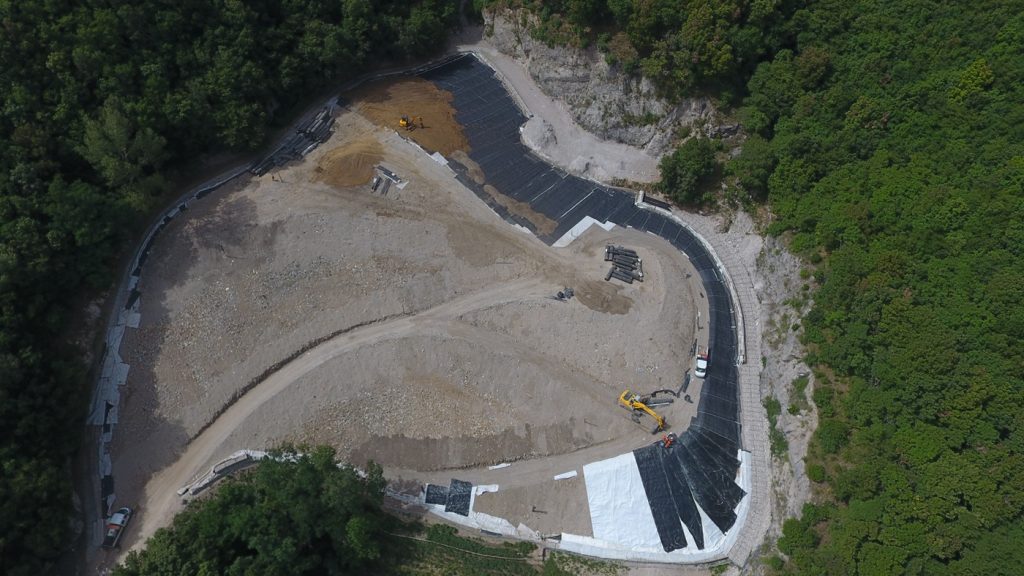
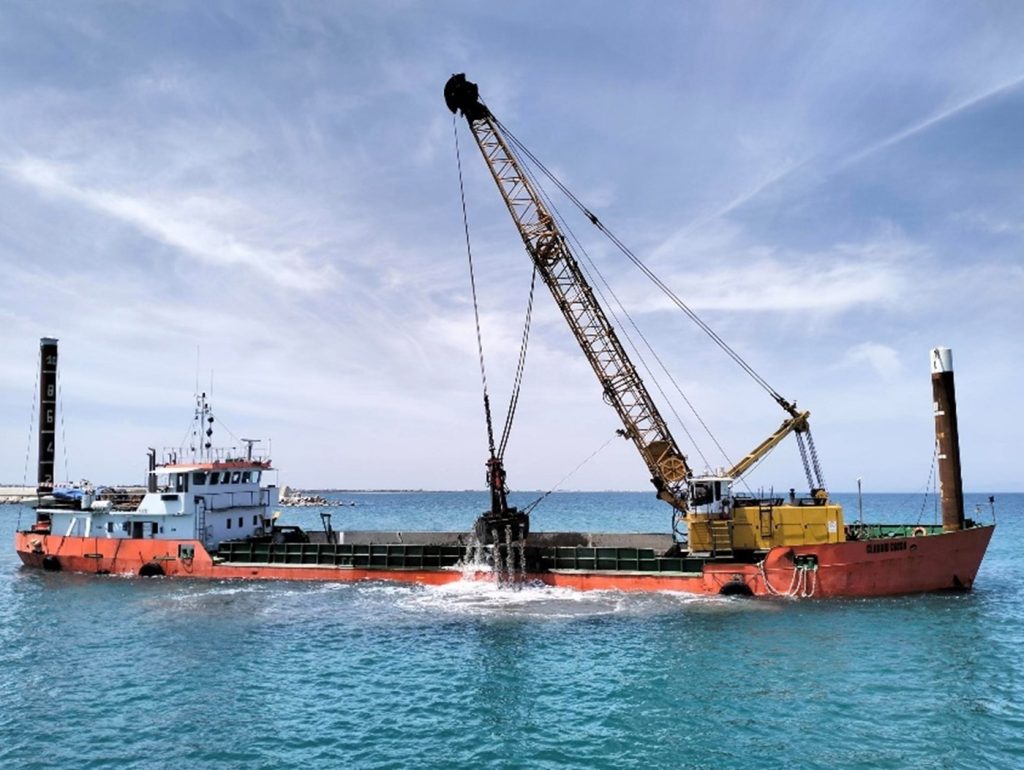
The objective is ambitious: to transform two categories of high-impact marine waste—dredged sediments and mussel shells—from an environmental problem into a resource for the construction sector. Every year, between 100 and 200 million cubic metres of sediments are dredged in European port basins; in Italy alone the volume exceeds 50 million cubic metres and is steadily increasing. Often managed as waste and disposed of in confined disposal facilities, these materials entail high economic and environmental costs, as well as significant land consumption. Added to this is the issue of mussel shells, a non-biodegradable by-product of a food supply chain that is strategic for the country, whose improper disposal generates significant impacts on coastal ecosystems and local economies.
Environment, economy, equity and… engineering
GREENLIFE4SEAS (GREen ENgineering solutions: a new LIFE for SEdiments And Shells) offers a systemic response to these challenges, based on an advanced vision of sustainability. To the traditional model of the three “E’s”—environment, economy, equity—the project adds a fourth dimension: engineering, understood as the element capable of connecting and strengthening the others. Engineering is no longer merely a technical tool, but a cultural, economic and regulatory enabler that activates circular value chains, reduces greenhouse-gas emissions and restores value to materials previously considered marginal.
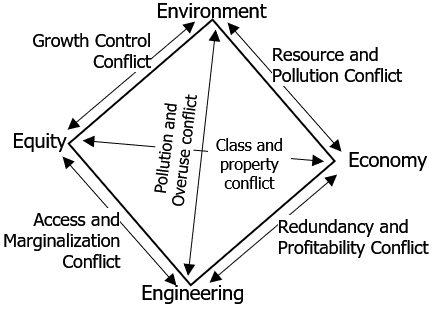
The four-E sustainability approach in engineering projects (Basu et al., 2015).
A collective endeavour
GREENLIFE4SEAS takes shape as a collective endeavour, grounded in the shared ingenuity of researchers, universities, companies, public institutions and local communities. The project has been admitted for funding under the LIFE Programme (https://cinea.ec.europa.eu/programmes/life_en), a unique and highly effective European Union instrument entirely dedicated to financing projects addressing environment, biodiversity and climate change. Coordinated by the Polytechnic University of Bari, the project runs over five years as an experimental research and technology-transfer initiative. The consortium involves nine partners following a triple-helix model, bringing together universities and research bodies, companies and public institutions: the Polytechnic University of Bari (DICATECh), CNR-IRSA of Taranto, CNR-IRET of Pisa, ISPRA, the companies SIMEM S.p.A., Vitone Eco Srl and Noesis European Development Consulting, the Southern Adriatic Sea Port Authority, the Eastern Ligurian Sea Port Authority and the Port of Piraeus in Greece, with the direct involvement of mussel-farming cooperatives and port operators.
The DICATECh research group
The project is rooted in the research activities of the geotechnical engineering group of DICATECh at the Polytechnic University of Bari, focused on the bio-chemo-mechanical characterisation of marine sediments—geomaterials of high complexity due to the presence of shells, organic matter, contaminants and structural variability.
In collaboration with ETH Zurich, the research groups have developed and patented a technology that uses powders obtained from mussel shells, without calcination processes, as a partial replacement for traditional cementitious binders (Petti et al., 2025). Chemical-physical and microstructural analyses have shown that the biogenic nature of the shells, rich in aragonite, promotes more efficient chemical reactions than quarried limestone and allows a reduction in clinker use, with a consequent decrease in CO₂ emissions associated with construction materials.
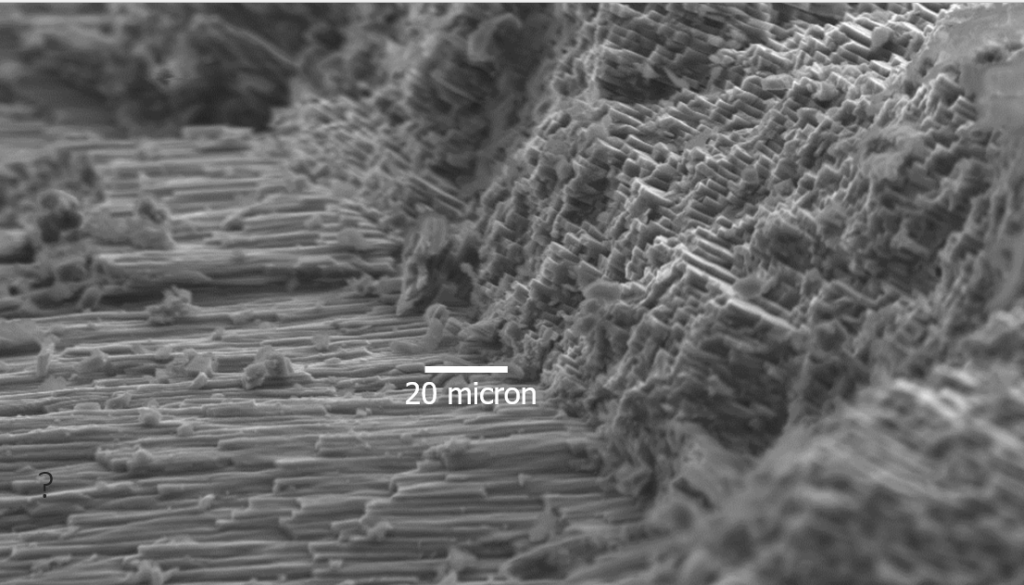
Mussel shells under the microscope.
Breakwaters, pavements, port quays
These innovative mixtures of sediments, cement and shell powders form the basis for a new generation of construction materials. Within GREENLIFE4SEAS, these materials will be further optimised and transformed into industrial prototypes of breakwaters, outdoor pavements and port-quay models. Thanks to collaboration with SIMEM S.p.A. and Vitone Eco Srl, and the strategic support of Noesis European Development Consulting, the prototypes will be produced using dedicated plants and mobile facilities capable of operating directly in the ports of Bari, Barletta, La Spezia and Piraeus. In this way, the project closes the loop between the place of sediment origin, transformation and reuse, drastically reducing transport, costs and environmental impacts.
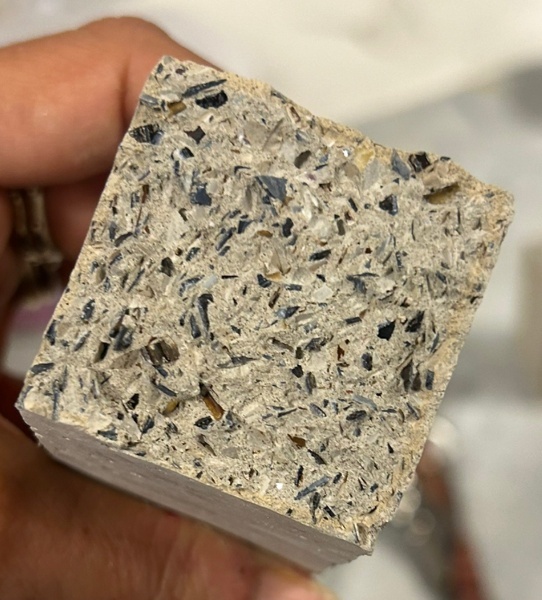
The first GREENLIFE4SEAS prototypes: mixtures of sediments, mussel-shell powder and aggregates, and cement.
Three operational value chains
The project is structured around three main operational value chains:
- Scaling up the production of mussel-shell powders, through the construction of plants capable of processing industrial quantities of by-products;
- Integrated characterisation of sediments, carried out in the laboratories of the Polytechnic University of Bari, CNR-IRSA of Taranto, CNR-IRET of Pisa and ISPRA, including chemical, biological, ecotoxicological and geomechanical analyses;
- In-situ production of infrastructural elements through mobile plants, enabling real-world experimentation in operational port environments.
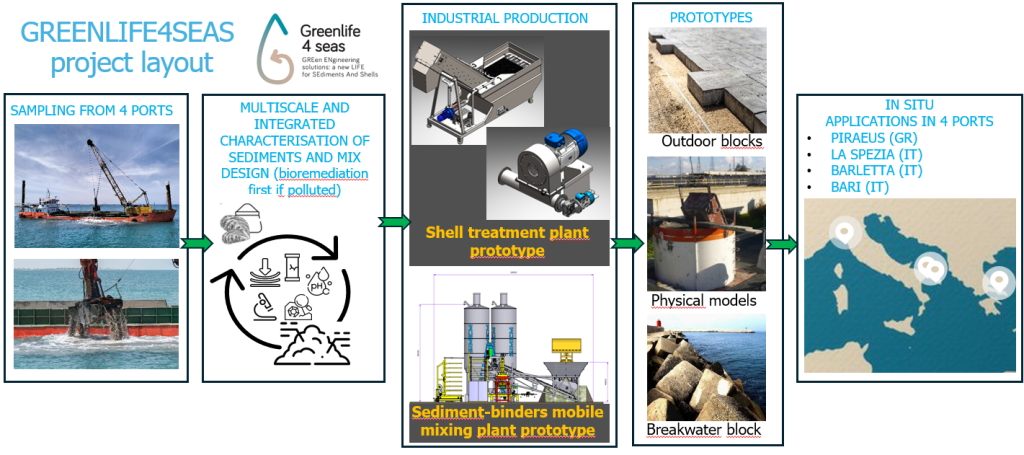
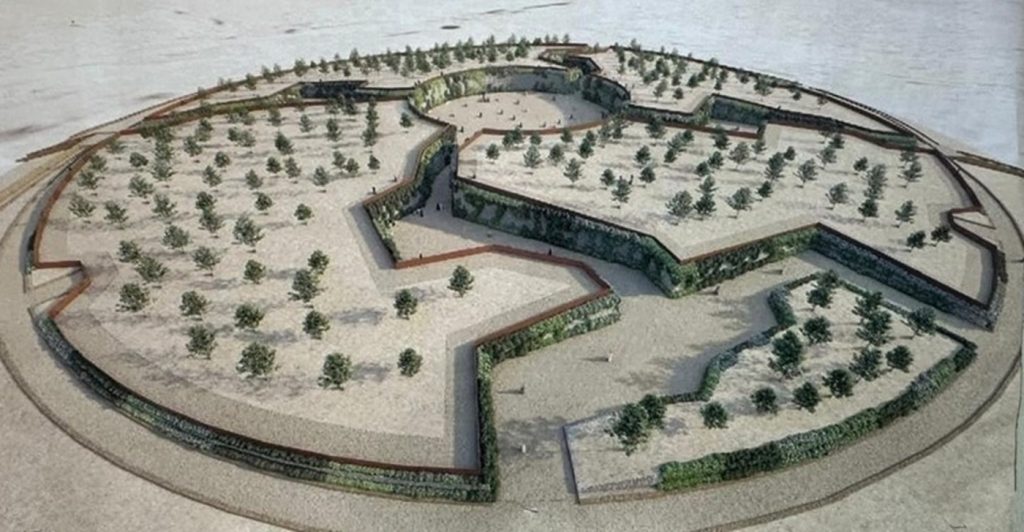
GREENLIFE4SEAS: project layout.
Governance
Alongside its technical dimension, GREENLIFE4SEAS also addresses governance and the regulatory framework. Dialogue with Port System Authorities, the Coast Guard, control bodies and public decision-makers is an integral part of the project, with the aim of facilitating the large-scale adoption of sustainable engineering solutions and overcoming the administrative barriers that currently limit sediment reuse. From this perspective, the project aims to become a European benchmark, not only for the technologies developed but also for its model of cooperation between research, industry and institutions.
A new European paradigm
The aspiration is that GREENLIFE4SEAS will not only overcome the technical complexities associated with the reuse of marine-origin waste materials, but will also help define a new European paradigm for their sustainable management. A paradigm based on continuous dialogue among academia, industry, institutions and civil society, capable of fostering—through engineering—the development of a “second nature” of marine bio- and geomaterials, where what was once waste becomes infrastructure and what was once marginal becomes opportunity.
Claudia Vitone – Full Professor of Geotechnical engineering – Politecnico di Bari
PI GREENLIFESEAS project
References
Basu, D., Misra, A., Puppala, A. (2015). Sustainability and geotechnical engineering: perspectives and review. Canadian Geotechnical Journal, 52(1), 96–113.
Petti, R., Vitone, C., Marchi, M.I., Plötze, M., Puzrin, A. (2025). Use of shells for the mechanical stabilisation of sediments: a valuable geomechanical perspective? Géotechnique, Vol. 75, No. 13, pp. 68–87. DOI: https://doi.org/10.1680/jgeot.22.00383